
Professional Pest Control Services in Delhi NCR
For recurring pests, hidden harbourage and property-specific treatment, start with evidence—not a generic spray. Technic Pest Control assists homes and businesses with termite, cockroach, bed bug, mosquito, ant and other targeted pest-management services.
- Residential and commercial properties
- Method matched to the pest and site
- Preparation and aftercare guidance
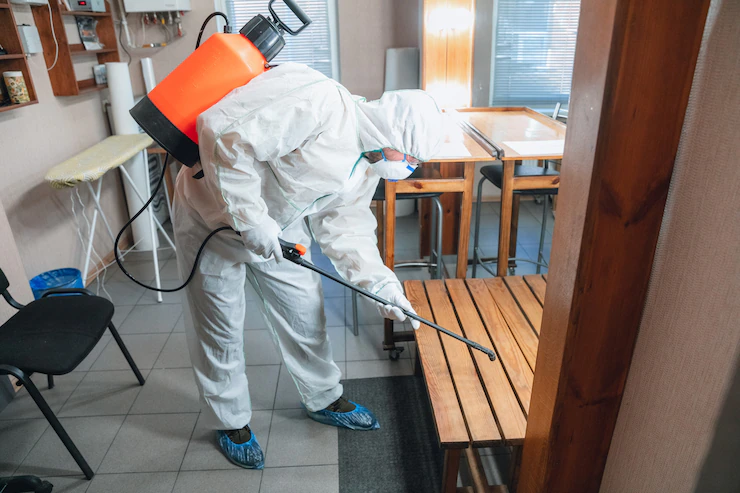
Professional pest management, Delhi NCR
A pest sighting is the clue. The route is the real problem.
Good pest control begins by asking how the pest entered, where it is sheltering, what keeps it active and what must change after treatment. That is more useful than choosing a generic spray because a cockroach, termite, bed bug, ant or mosquito happened to be visible today.
Technic Pest Control provides inspection-led pest control services in Delhi NCR for homes, flats, offices, shops, restaurants, warehouses and other managed properties. The first objective is to define the problem accurately. One insect near a window can be an isolated invader; recurring insects around a drain can indicate a harbourage or moisture route; wings beside a wooden frame can require a termite assessment; bites noticed after travel can call for a careful bed and furniture inspection. Similar-looking complaints can therefore lead to very different decisions.
Our approach connects four pieces of evidence: the pest or sign, the building, the way the space is used and the pattern over time. A kitchen that operates all day needs different preparation from an occupied bedroom. A ground-floor house connected to a garden has different entry pressure from a high-rise flat connected through service shafts. A warehouse needs zone records and stock discipline, while a family home needs clear guidance about food, toys, pets and re-entry. The treatment plan should respect those differences.
The aim is not to apply the largest possible amount of chemical. It is to use an appropriate combination of inspection, sanitation, proofing, monitoring, mechanical control, bait or targeted application according to the site and product directions. This is the practical logic of integrated pest management: reduce the conditions that support the infestation while focusing treatment where evidence shows it is needed. Results and follow-up requirements depend on the pest, infestation level, access and cooperation with preparation and aftercare.
If you are unsure which service to select, you do not need to diagnose the species yourself. Share a clear photo or video, the affected rooms, when activity is strongest, anything already applied and your locality. The team can use those details to arrange the right inspection rather than forcing the enquiry into the wrong package.
Find the relevant treatment page
Choose by evidence, not by a one-size-fits-all package
Each pest has a different life cycle, hiding pattern and route through a property. Use these service pages to understand the likely inspection and treatment approach. If the insect is unclear, send a close photo before booking; ants and termite swarmers, flea bites and bed bug bites, or bees and wasps are often confused.

Termite pest control
Mud tubes, hollow-sounding timber, blistered surfaces or piles of equal-sized shed wings can justify a termite inspection. Pre-construction barriers, post-construction treatment and bait-based strategies solve different problems, so the building stage and activity route matter.
Explore termite treatment
Cockroach pest control
Night activity, droppings, egg cases, an oily odour or insects around warm appliances can point to concealed harbourage. Treatment may combine gel bait, monitoring, targeted application, drain attention and sanitation rather than repeatedly spraying open surfaces.
Explore cockroach control
Bed bug treatment
Bed bugs hide in narrow seams and can move with luggage, furniture and belongings. Bites alone do not confirm them. A useful assessment checks live insects, cast skins, dark spotting, eggs and the distribution across beds, sofas and adjoining rooms.
Explore bed bug treatment
Mosquito control
Fogging may reduce exposed adults for a period, but it does not replace source reduction. Containers, coolers, drains, roof areas, plant trays and shared outdoor zones should be checked so the plan addresses breeding opportunity as well as immediate nuisance.
Explore mosquito management
Ant pest control
A visible trail is made by workers; the colony may sit under a floor, inside a void, in a planter or outside the building. Bait acceptance, direct nest treatment, moisture correction and entry-point work are selected after tracing the route.
Explore ant control
Spider pest control
Web location and style can reveal a sheltered corner, entry route or strong supply of small insect prey. A balanced response removes accessible webs and egg sacs, reduces supporting insects, manages clutter and treats confirmed harbourage where appropriate.
Explore spider controlMore targeted WooCommerce service pages
Use the less common pest pages when the sign is specific. Stinging insects, reptiles and wildlife-like incidents need careful handling; do not disturb a hive, nest or snake while waiting for professional direction. Small crawling pests also require identification: silverfish, fleas, ticks and young cockroaches can be confused when customers describe only colour or size.
Read the evidence
What the sign may tell an inspector
Customers often search by symptom rather than species: “small insects in the kitchen,” “powder below furniture,” “bites after sleeping,” or “scratching above the ceiling.” These clues are useful, but each can have more than one explanation. The safest next step is to narrow the possibilities without pretending that a symptom alone is a diagnosis.
Fine mud lines or packed soil on a wall
This can be consistent with subterranean termite travel, particularly where the line connects soil, a crack or a wooden element. Do not break every tube before inspection; activity inside a small sample can help. Arrange a termite assessment.
Dark dots around mattress seams
Spotting, shed skins, eggs or a live insect near resting furniture provides stronger evidence than bites alone. Photograph the sign, avoid moving belongings between rooms and review the bed bug inspection process.
Pepper-like droppings near hinges or motors
Warm, narrow and food-adjacent voids can support cockroach harbourage. Check cabinet hinges, refrigerator motors, sink cabinets and pipe openings at night. Avoid spraying over areas where professional bait may later be placed.
Fast bites around ankles or after pets rest
Fleas are one possibility, but skin reactions are not a reliable identification tool. Environmental treatment and pet care are separate tasks. A veterinarian treats the animal; a flea service addresses suitable indoor harbourage.
Daytime mosquitoes around coolers or plants
Inspect stored water, trays, rooftop containers, blocked drainage and other small water-holding sites. Adult reduction without source management is temporary. Follow current public-health advice and consider targeted mosquito control.
Fresh webs returning to the same corner
A stable attachment point, shelter and insect prey can make the location favourable. Note whether webs occur near lights, windows, storage or damp areas. Spider work may also require attention to the smaller insects supporting them.
Scratching, gnawing or droppings after dark
Record the room, time and route without handling droppings bare-handed. Food storage, gaps around utilities, drains, false ceilings and door clearances may need inspection. Trapping or exclusion should account for the whole route, not only the sound location.
Winged insects near light after humid weather
These may be flying ants or termite swarmers. Collect a photo showing body, antennae and wings. Do not book ordinary ant treatment until the insects are differentiated, because the required inspection and building work can be very different.
Urgent safety situations need the right responder. Keep away from an unidentified snake, active stinging-insect nest or animal showing unusual behaviour. Do not corner, strike, smoke or spray it. Isolate the area when possible, keep children and pets away, and contact an appropriate trained handler or emergency authority.
A clear service journey
From first evidence to a stable prevention routine
A professional visit should produce more than an invoice and a smell of spray. You should understand what was inspected, what was found, why a method was selected, how to prepare and what signs will show whether the plan is working.
Enquiry and triage
The team records the suspected pest, property type, locality, affected zones, duration, severity and any immediate safety concern. Photos can help distinguish a likely service category, but they do not replace an on-site inspection when activity is concealed or structural. Mention previous treatment, allergies or sensitivities, infants, pregnancy, pets, aquariums, food handling and access restrictions at this stage.
- Share the strongest sign, not only the pest name
- Explain whether the property is occupied or operating
- List products or remedies already used
- Flag urgent access and safety constraints
Inspection and pressure map
The technician examines active areas, likely harbourage, food and water sources, entry points and conditions that allow activity to continue. Depending on the pest, this can include beds, cabinet joints, drains, plumbing penetrations, wood contact, roof or balcony zones, stock, waste areas and the exterior building edge. The objective is to map where pressure begins, where it travels and where it becomes visible.
- Confirm or narrow the pest identification
- Separate active zones from old evidence
- Check adjoining routes and shared voids
- Note conditions requiring repair or cleaning
Method and scope selection
The service scope is matched to infestation level, site use, access, surface, occupants and label directions. The plan can use monitoring, trapping, bait, proofing, removal of harbourage, targeted residual application or another suitable measure. “Stronger” is not automatically better. A broad repellent spray can interfere with bait, while sealing a live route too early can redirect activity. The sequence matters as much as the tool.
- Define included rooms or zones
- Explain preparation and vacancy needs
- Set realistic response and review timing
- Identify exclusions and customer actions
Targeted service and communication
Work is carried out in the agreed areas with attention to food, belongings, people, animals and business operations. The customer should know what was placed or treated, which areas must remain undisturbed, when cleaning can resume and what ventilation or re-entry instruction applies. In commercial premises, treatment locations and corrective actions should be recorded so staff do not remove monitors or clean away placements.
- Keep people away from the active work zone
- Protect or remove exposed food as directed
- Do not relocate professional placements
- Retain the service guidance for other occupants
Trend review and prevention
The relevant question after service is not always “Did I see one insect?” It is whether activity, fresh signs and affected zones are reducing as expected for the selected method. Baits can take time; eggs or concealed stages can create delayed activity; untreated adjoining zones can reintroduce pressure. Photos, monitor counts and a short log help decide whether the trend is acceptable, a follow-up is needed or a building condition remains unresolved.
- Track fresh evidence in the same locations
- Complete agreed repairs and sanitation actions
- Report new routes rather than spraying them
- Plan periodic inspections for high-risk sites
Not sure what to book? Start with the evidence and property details. The team can route the enquiry to the relevant service.
Contact Technic Pest ControlWhen activity returns, identify the pattern before repeating treatment
A repeat sighting does not have only one explanation. Classifying the pattern helps the technician decide whether the original programme is progressing, the property has been re-exposed or a supporting condition still needs work.
Eggs, pupae, concealed individuals or workers feeding on a slow-acting bait can remain visible after the first service. The important questions are whether the count is declining, whether fresh signs are limited to the original zones and whether the sighting falls within the response period explained at handover. Adding a repellent spray during this stage may interrupt the plan. Record the location and contact the team if activity remains flat or increases.
Luggage, used furniture, incoming cartons, food deliveries, pets, landscape contact, open doors, neighbouring units and shared shafts can introduce new pressure. A bedroom can receive bed bugs after travel; a shop can receive stored-product pests in stock; ants can return through a façade gap after an outdoor nest shifts. Review what arrived or changed after treatment instead of assuming that every new insect survived the earlier application.
A leaking pipe, damaged drain, open service penetration, standing water, grease beneath fixed equipment or waste held too long can continue supporting activity. In multi-unit and commercial buildings, the condition may sit outside the treated room. The follow-up should connect the pest log with maintenance and cleaning actions, assign responsibility and set a completion date. Repeated treatment without that correction can produce short relief but not stable control.
The building changes the plan
Residential comfort and commercial continuity need different controls
The pest may be the same, but the acceptable method, preparation window, recordkeeping and prevention work can change completely with the property. A useful pest-control proposal reflects how people live or work in the space instead of scaling one standard package by square feet alone.
Protect living space without losing sight of the source
In a home, the plan must account for everyday contact with floors, beds, furniture, kitchens and balconies. Residents need specific preparation rather than instructions to “empty everything.” The inspection should focus on the rooms with fresh evidence while also checking routes that connect them.
- Flats and apartments: pipe shafts, cable routes, adjoining walls and shared refuse areas can allow pests to move beyond one unit.
- Independent houses: gardens, drains, roof edges, utility openings and soil-to-building contact can add exterior pressure.
- Rented homes and PGs: luggage, frequent occupancy change and shared kitchens require communication across residents, owner and manager.
- Families with children or pets: method and placement should limit access, and all vacancy, ventilation and re-entry instructions must be followed.
What improves a residential outcome?
Keep food sealed, repair leaks, avoid moving infested items between rooms, provide access to priority edges and tell every occupant not to disturb monitors or bait. Ask what must be cleaned now, what must remain untouched and when normal use can resume.
Control pressure while supporting operations and accountability
Commercial pest management is an ongoing system rather than a larger domestic visit. Deliveries, waste, cleaning, storage, drains, landscape contact, staff habits and neighbouring units all influence activity. The programme should assign zones, actions and review dates.
- Restaurants and food premises: receiving, dry storage, preparation, wash-up, drains and waste need separate observation and corrective action.
- Offices and retail: pantries, vending points, false ceilings, display fixtures, stock and staff eating areas can create hidden routes.
- Warehouses: incoming goods, pallet bases, wall-floor junctions, loading zones and damaged packaging benefit from mapped monitoring.
- Schools, clinics and sensitive sites: scheduling, access control, occupant sensitivity and site procedures influence method selection.
What makes an AMC meaningful?
An annual maintenance contract should define visit frequency, covered pests and zones, emergency response, documentation, customer responsibilities and review criteria. Repeated calendar spraying without trend data or corrective action is not a complete management programme.
Plan before the peak
A Delhi NCR pest calendar built around conditions, not fixed dates
Pest activity follows temperature, moisture, food, construction and human movement—not a perfect calendar. These seasonal patterns help property owners decide when to inspect, but fresh signs should always take priority over the month shown on a schedule.
Heat and water-seeking activity
Rising heat can push ants and cockroaches toward kitchens, bathrooms and cool service routes. Water storage and air-cooler use can create mosquito-breeding opportunities when containers are not emptied, scrubbed or covered.
- Repair leaking taps and condensate lines
- Check cooler trays and stored-water lids
- Seal food and clean grease beneath appliances
- Record evening activity before treatment
Monsoon moisture and movement
Rain can disturb outdoor ant nests, reveal building gaps and increase damp harbourage. Termite swarmers may appear in humid conditions, while standing water across private and shared areas raises mosquito pressure.
- Keep photos of wings, insects and emergence points
- Clear roof, balcony and yard drainage
- Check damp wood, walls and sink cabinets
- Coordinate common-area source reduction
Post-monsoon persistence
Lower rainfall does not immediately remove concealed harbourage. Mosquitoes can continue where water remains, and cockroach, ant or termite activity may persist inside stable building voids. Festivals and increased food storage can also add pressure.
- Inspect stored cartons and pantry stock
- Clean without disturbing professional bait
- Review fresh termite evidence after rain
- Close confirmed gaps at the advised stage
Shelter, travel and quiet infestations
Cooler outdoor conditions can encourage pests to use protected indoor areas. Bed bugs can move with holiday travel or second-hand furniture, while rodents may exploit door, drain, ceiling and utility gaps for shelter.
- Inspect luggage away from beds after travel
- Check used furniture before bringing it inside
- Review door sweeps and utility penetrations
- Do not ignore low-level night sounds or droppings
Use the least-disruptive effective mix
Pest control is a system of decisions—not a race to the strongest spray
Integrated pest management, often shortened to IPM, combines practical controls in a sensible order. It begins with correct identification and monitoring, reduces the food, water, shelter and access supporting the pest, and uses targeted treatment where the evidence and site justify it. Chemical control can be an important tool, but it works best as part of a defined plan rather than as a substitute for inspection.
This matters in Delhi NCR because the same pest complaint can be maintained by very different conditions: a leaking pipe inside a flat, a waste route behind a restaurant, a landscape bridge beside an office, a shared shaft in a housing society or untreated timber contact at a construction site. Spraying the visible room may reduce immediate activity yet leave the wider system intact.
It also prevents misleading “chemical-free” and “completely safe” claims. Risk depends on the product, label, formulation, dose, placement, application, exposure and occupants. Customers should receive method-specific instructions and should disclose children, pets, aquariums, pregnancy, respiratory sensitivity, food production and other site considerations before work begins.
Identify and measure
Confirm the pest where possible, distinguish fresh from old evidence, map affected zones and establish a baseline using sightings, photos, droppings, damage or monitors.
Remove support
Reduce accessible food, water and shelter through cleaning, stock rotation, leak repair, drainage, clutter reduction and waste discipline. Sanitation supports treatment; it is not blame.
Block confirmed routes
Correct door gaps, pipe openings, cracks, screens, vegetation contact and other entry points at the right stage. Sealing an active route too early can push activity elsewhere.
Use physical and mechanical controls
Depending on the pest, use cleaning, web or nest removal, trapping, vacuuming, encasement, screens, monitors or other non-chemical measures appropriate to the site.
Apply a targeted treatment and review
Select bait, dust, liquid, space treatment or another registered product only for the intended pest and site, follow the label and measure whether fresh evidence is declining.
Make treatment easier to perform and assess
Preparation and aftercare are part of the pest-control service
A technician can treat only what is accessible and can judge results only when the site is not being changed by conflicting products. Preparation should be specific to the pest and method. Do not empty every cabinet, wash every edge or vacate the property unless the team asks you to do so.
Before the visit
Preserve useful evidence and make priority areas accessible. A heavily cleaned or sprayed site can hide the route that needs to be traced.
- Take clear photos or video before removing insects, droppings, wings, tubes or webs.
- Note when activity is strongest and whether rain, travel, delivery, renovation or leakage changed it.
- Do not apply aerosol, chalk, powder, kerosene or an unlabelled mixture shortly before inspection.
- Store exposed food and medicines; follow instructions for utensils, toys, bedding and pet items.
- Provide access below sinks, beside appliances, around beds, at wall edges, on balconies and in affected storage.
- Tell the team about infants, pregnancy, older adults, allergies, respiratory concerns, pets, birds, fish tanks and plants.
During the service
Keep the work zone controlled and ask enough questions to understand the method, scope and handover instructions.
- Keep children, pets and unassigned staff away from the active treatment area.
- Ensure food preparation is stopped or protected according to the service plan.
- Show every known hotspot instead of assuming the most visible room is the only affected area.
- Ask which rooms, cracks, drains, monitors or furniture items were included and which were excluded.
- Confirm whether ventilation or vacancy is required and the exact re-entry condition.
- For commercial sites, nominate one contact to receive placement, cleaning and corrective-action instructions.
After the service
Protect the treatment long enough for it to work, complete practical corrections and monitor the direction of change.
- Do not wash, paint, scrub or spray treated edges until the advised interval has passed.
- Leave bait and monitors where placed; report damage or removal instead of relocating them yourself.
- Remove competing food, dry wet areas, manage waste and complete repairs included in the action list.
- Track fresh evidence by date and location. A photo from the same angle helps comparison.
- Do not move bed bug-affected bedding or furniture into an untreated room without direction.
- Contact the team when activity shifts to a new zone, remains unchanged beyond the expected period or creates a safety concern.
Do follow the exact label and service instruction
Approved use depends on the target pest, site, dose, placement and precautions. Government guidance advises buying labelled products, using them only as directed and protecting people, animals, food and the environment. Read India’s instruction for safe use of pesticide.
Do not assume more product means a better result
Extra dose, repeated mixing or an outdoor product used indoors can increase exposure without reaching a concealed colony or life stage. Never combine chemicals unless the label and a qualified professional explicitly support that use. Keep original containers and do not transfer pesticide into food or drink packaging.
Treatment does not replace medical or veterinary care. Seek appropriate professional advice for bites, stings, poisoning concerns, breathing difficulty, severe skin reaction or animal symptoms. For a spill or suspected exposure, move away from the source when safe, retain the product label and follow local emergency guidance.
Pest-control cost explained
A reliable quote needs a defined scope
There is no honest universal price for “pest control” because the same word can describe a preventive kitchen service, a bed bug problem across several rooms, active termite routes in an occupied building or a monitored programme for a warehouse. A low headline price can be misleading when it excludes the pest, area, preparation, revisit or method the property actually requires.
When requesting a quote, share the property type, approximate size, affected rooms or zones, strongest evidence, duration, locality and treatment history. Photos can help with initial triage. The final scope may still depend on inspection where the pest is uncertain, activity is concealed or the building condition changes access.
Compare proposals by what is included—not only the total. Ask about the target pest, covered area, method, preparation, follow-up condition, warranty wording if offered, customer responsibilities and exclusions. A realistic plan explains what outcome will be reviewed and what can cause reintroduction.
Get a property-specific quotePest and life cycle
Bed bugs, termites, cockroaches, mosquitoes and ants require different inspection time, tools, preparation and follow-up.
Extent and severity
One defined zone differs from activity across bedrooms, kitchens, floors, units, stock zones or building common areas.
Property and access
Occupied rooms, false ceilings, fixed cabinets, height, sensitive equipment and inaccessible voids influence labour and method.
Service frequency
One-time corrective work, planned follow-up and an ongoing commercial programme have different deliverables and review needs.
Preparation and timing
After-hours work, shutdown windows, furniture handling or delayed access can affect the practical scope of service.
Proofing and corrections
Exclusion, drain or sanitation work may be quoted separately from pesticide application and should be clearly identified.
Local scheduling, one service standard
Pest control across Delhi and Noida
Technic Pest Control is based in Mandawali, New Delhi and serves homes and businesses across its Delhi NCR operating area. These local guides help customers share building type, locality and access details. They are not claims of a separate branch or a different treatment formula in every neighbourhood.
Outside these listed areas? Share the full locality, landmark, property type and preferred time. Travel and availability should be confirmed before relying on a same-day schedule.
Check availabilityLearn before you choose a method
Practical pest-identification and prevention reading
Why regular inspection can be more useful than repeated emergency spraying
Regular inspection helps find early signs, entry routes and maintenance conditions before activity spreads across rooms or operating zones. It is especially valuable for food businesses, warehouses, housing societies and properties with a history of termite, cockroach or rodent pressure. A useful inspection records evidence and corrective actions rather than applying a product simply because the calendar says it is time.
Read the regular pest-inspection guide →Frequently asked questions
What to know before booking pest control
These answers explain the decision process. Your actual preparation, treatment and follow-up instructions should come from the method selected for your property.
How do I choose a pest-control company near me?
Look beyond the nearest listing or lowest headline price. Ask whether the company will identify the pest, inspect likely harbourage and entry routes, explain the treatment, give preparation and re-entry instructions, define the covered area and state when follow-up is appropriate. A professional proposal should distinguish what the technician will do from repairs, cleaning or proofing the property owner must complete.
For a Delhi NCR enquiry, also confirm travel availability for the exact locality and share the property type before expecting same-day service. Technic Pest Control can be reached through the quote form or by phone at +91 92892 84931.
Is pest control safe for children, pets and older adults?
No treatment should be described as automatically harmless for every person, animal and situation. Safety depends on the product, formulation, target site, dose, placement, application and exposure control. Tell the company about infants, pregnancy, older occupants, asthma or respiratory sensitivity, allergies, pets, birds, aquariums and food preparation before the method is chosen.
Follow the exact instructions for removal or covering of items, vacancy, ventilation, cleaning and re-entry. Keep children and animals away from bait, traps, treated cracks and work equipment. A service provider treats the environment; a doctor or veterinarian should assess medical or animal symptoms.
Do we need to leave the house during treatment?
Not for every visit. Inspection, enclosed monitoring or a carefully placed bait programme can have different requirements from a liquid application, space treatment or intensive bed bug service. Occupancy also depends on the label and the rooms being treated.
Do not rely on a generic online time. Ask for the exact vacancy and ventilation instruction for the selected service, make sure every household member knows it and return only when the stated condition is met. Businesses should record the handover time and prevent staff from entering a restricted area early.
How long does pest-control treatment take to work?
The response depends on the pest, life stage, infestation level and method. Direct removal of an accessible web or nest looks different from slow-acting ant or cockroach bait. Bed bug activity may require treatment of several harbourages and review across life stages. Termite work is assessed by fresh activity and building protection, not by the disappearance of one visible tube.
Ask what signs should reduce first, what activity may remain temporarily and when a review becomes meaningful. The direction of change—fewer fresh signs, lower monitor counts and fewer affected zones—is usually more informative than one isolated sighting.
Why did pests return after I sprayed the room?
A contact spray may kill exposed insects without reaching eggs, queens, nests, voids or the route bringing pests back. Food, water, dampness, stock, drains, garden contact or unsealed gaps can continue to support activity. Some repellent sprays can also scatter pests or contaminate professional bait placements.
Stop combining products at random. Record where the new activity occurs and disclose everything already applied. An inspection can then distinguish treatment failure from a new entry route, untreated adjoining zone, delayed life stage or environmental condition that still needs correction.
What is the difference between pest control and integrated pest management?
“Pest control” is a broad description of work intended to reduce a pest problem. Integrated pest management is a decision framework within that work. It uses identification and monitoring, sanitation, moisture management, exclusion, physical or mechanical controls and targeted pesticide use where justified.
The goal is not zero chemical use at any cost, nor automatic routine spraying. It is a proportionate mix that manages the defined pest while reducing avoidable exposure and the conditions that allow recurrence.
Can one general treatment remove every pest?
No. Termites feed and travel differently from bed bugs; ants organise around colonies and food preferences; mosquitoes require attention to water and outdoor sources; fleas develop through environmental stages linked to animal hosts; cockroaches shelter around heat, food and moisture. A product or placement intended for one pest may be ineffective or unsuitable for another.
Multi-pest programmes are possible, particularly for businesses, but each target pest and zone should be named. Avoid quotes that promise to eliminate “all insects” without explaining the scope, method or monitoring.
How often should a home or business schedule pest control?
There is no single interval for every property. A home without fresh signs may need prevention and inspection rather than routine application. A restaurant, warehouse or building with repeat pressure may benefit from scheduled monitoring and documented corrective action. Termite inspections can be planned around building risk, history and construction, while a new bed bug introduction should be handled when evidence appears.
Set frequency using pest history, operating conditions, season, incoming goods, shared building routes, contractual requirements and monitoring data. The schedule should be reviewed when the pattern changes.
What should be included in a commercial pest-control AMC?
A useful annual maintenance contract identifies covered sites, zones and pests; inspection and visit frequency; treatment and monitoring methods; response process; service records; escalation rules; review meetings; customer corrective actions; exclusions; and commercial terms. It should explain whether emergencies, materials, proofing or specialist work are included.
For food, healthcare, education and other sensitive premises, site rules and documentation needs should be agreed before service begins. An AMC should generate actionable trend information, not only repeated service slips.
Can I clean immediately after pest control?
Clean exposed food and preparation surfaces only as directed, but do not automatically scrub treated edges, remove bait or discard monitors. The correct timing depends on what was applied and where. Cleaning too early can remove a residual treatment or slow-acting placement; failing to clean competing food and waste can also weaken the programme.
Ask the technician to separate “clean now,” “do not clean until this time” and “repair or remove after review.” Share those instructions with cleaners, domestic help, staff and other occupants.
Does a warranty mean pests can never return?
No responsible warranty can prevent a new pest from arriving with luggage, stock, furniture, neighbouring activity, open doors, drainage, construction or exterior pressure. Warranty language should define the target pest, covered areas, period, included review or retreatment, preparation requirements and exclusions.
Read the written terms rather than assuming “guaranteed” means permanent zero activity. Long-term control depends on both the treatment and continued prevention work.
When should I request an inspection instead of trying another DIY remedy?
Arrange an inspection when signs repeat after cleaning, several rooms or units are involved, the pest is not identified, structural wood may be affected, bites continue without confirmed cause, activity occurs in electrical or inaccessible voids, food stock is at risk, or children, pets and sensitive occupants make trial-and-error treatment inappropriate.
Immediate safety takes priority for a snake, large stinging-insect nest, suspected poisoning or severe reaction. Keep people away and contact the appropriate trained or emergency service rather than experimenting.
Need a shorter Hindi answer to a common pest question? Browse the site’s pest-control question archive.
Tell us what you are seeing and where it is happening
Share the pest or sign, affected rooms, property type, locality, duration and anything already applied. Technic Pest Control will use those details to guide the enquiry toward an inspection and property-specific scope.